Aiken SC · North Augusta · Graniteville · All Aiken County +1 (839) 746-6007
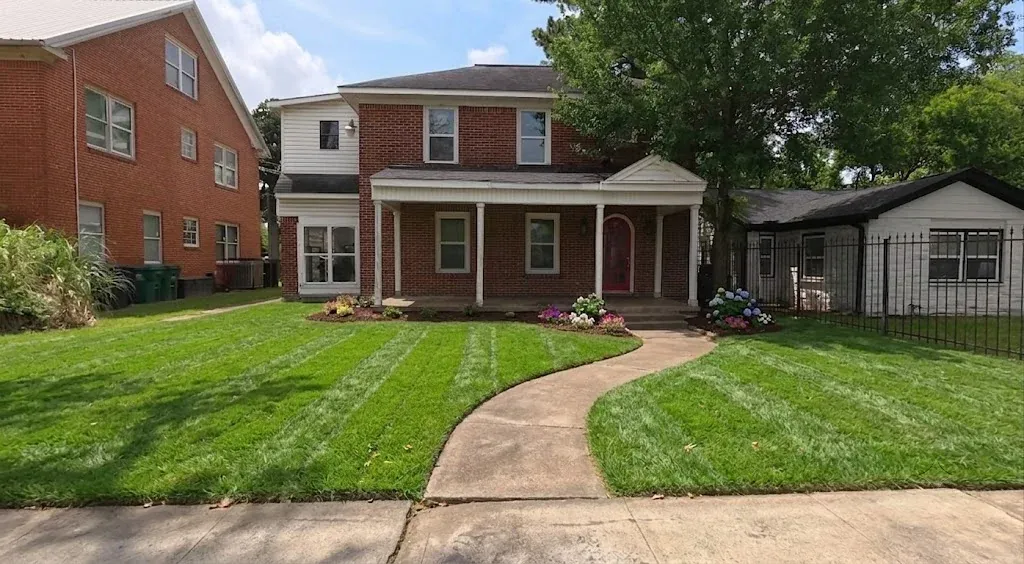
lawn care aiken sc — professional lawn maintenance on a residential property in Aiken SC
Our Home Market — Since 2015

Lawn Care Aiken SC
The City We're Named For.

Aiken proper sits on the Fall Line — where sandy Fuquay/Lakeland loam soils meet clay-influenced Piedmont ground. From the 1830s Horse District downtown to the new construction off Silver Bluff and Trolley Run Station, three very different lawn profiles exist inside one city, each demanding a completely different program. Zone 8a climate means warm-season grasses dominate, but Centipede, Bermuda, and Zoysia each respond differently to Aiken's soil chemistry and heat.

Quick Answer — Lawn Care Aiken SC

Aiken SC is our home market. The city spans three distinct lawn profiles: historic district properties with mature canopy and compacted century-old soil, mid-century neighborhoods off Whiskey Road running mostly Centipede, and newer subdivisions south and west with Bermuda on stripped construction soil. Mowing $49–$77/week. Call +1 (839) 746-6007.

Three Aiken Lawn Profiles, Three Different Programs

Historic District (29801 core)

Horse District, South Boundary, Colleton Avenue. Century-old lots with enormous live oak and magnolia canopy. Soil is compacted from decades of settling and often has construction debris from old renovations. Most turf here is St. Augustine or shade-struggling Centipede. These properties need canopy-appropriate grass selection, annual core aeration to break compaction, and careful trim work around heritage root flares and brick walkways. Mowing is slower per square foot than any other part of Aiken because of obstacles.

Whiskey Road corridor & mid-century belt

Neighborhoods built 1950s–1980s — Houndslake, Gem Lakes, Cedar Creek edges. Overwhelmingly Centipede, much of it 30+ years established. This is where we see the most Centipede Decline in the county. The pattern is almost always the same: homeowners follow national fertilizer schedules designed for Bermuda or Northern fescue, over-apply nitrogen, trigger excessive thatch, and Rhizoctonia solani takes hold in the weakened root zone. Thatch layers here routinely exceed half an inch — enough to trap moisture and block air exchange. The correct program is one 15-0-15 application in May–June only, mowing at 1.5 to 2 inches (never scalped), and core aeration every second fall to break thatch without removing the runners. Centipede does not want five fertilizer applications per year. One is correct. Two starts the decline. Three kills it slowly.

Newer south & west subdivisions

Off Silver Bluff Road, Pine Log, and toward Woodside Plantation. Built on stripped and regraded construction soil — topsoil removed, subsoil compacted by heavy equipment during framing and utility work. Mostly Bermuda sod installed at closing. Bermuda is the right grass for these open, sunny lots, but construction compaction is the hidden problem: roots hit dense subsoil at 3 to 4 inches and stop. The lawn looks excellent for the first 18 to 24 months on the installed root mass, then thins and browns as that mass exhausts itself. These properties need core aeration before additional fertilizer — a compacted Bermuda lawn that cannot root deeper cannot use fertilizer applied to the surface. After aeration and organic matter addition, Bermuda in Zone 8a on Aiken's sandy loam responds well to 4 to 5 applications from April through August, producing the thick, dense turf these newer neighborhoods deserve.
What's Specific to Aiken City Lawns

  • Fall Line soil boundary runs through the city. Aiken sits right on the geological transition from Piedmont to Coastal Plain. Properties north and east of downtown carry noticeably more clay; south and west are almost pure sandy loam. The same fertilizer program produces different results across a two-mile drive, which is why we soil-test rather than assume.
  • Heritage tree ordinance. Aiken protects specified heritage trees, and root zones extend well past the canopy line. We keep equipment off critical root zones and hand-trim rather than string-trim against protected trunks.
  • The Horse District changes mowing logistics. Unpaved sand streets in and around the Horse District mean dust, and clay-and-sand footing carried onto adjacent lawns. Edges along these streets need different treatment than a curbed subdivision edge.
  • Downtown irrigation restrictions. Older properties in the historic core frequently have no irrigation at all or hand-watering only. Grass selection has to account for that — planting Bermuda on an unirrigated shaded historic lot is setting up a failure.

From a Aiken Customer

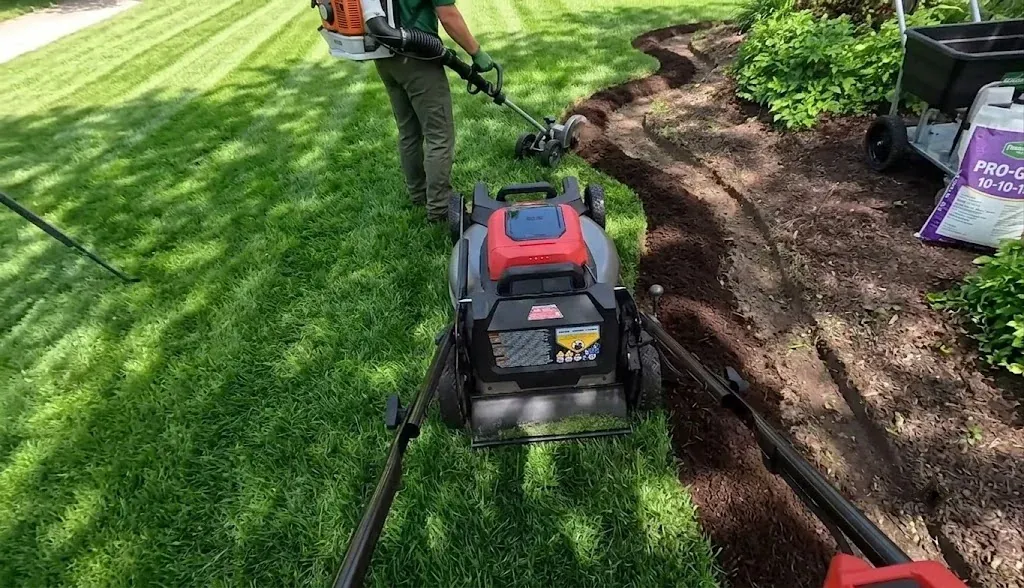
lawn care results aiken sc — maintained residential lawn in Aiken SC
★★★★★
They went above and beyond what I expected. Our place is off South Boundary with three big live oaks — they picked the right grass for the shade instead of selling us Bermuda sod that would have failed in two years. Professional, on time every single visit, and the attention to detail on the edging along our brick walk is the kind of quality work you just don't see from the big national companies. Country Club quality lawn care at a great price.
Margaret T.
South Boundary St., Historic District, Aiken SC

Lawn Care FAQ — Aiken SC

Do you service the Aiken Horse District and historic downtown?

Yes. We work throughout the historic district including the Horse District, South Boundary, and the Colleton Avenue area. These properties need a different approach than newer subdivisions — heritage tree root zones have to be protected, equipment access is often limited by brick walkways and narrow drives, and most turf is shade-adapted rather than full-sun Bermuda. We hand-trim around protected trunks rather than string-trimming.

Why do lawns on different sides of Aiken behave differently?

Aiken sits directly on the Fall Line, the geological boundary between the Piedmont and the Coastal Plain. Properties toward the north and east of the city carry measurably more clay in the soil profile, while south and west toward Silver Bluff are closer to pure sandy loam. Sandy areas leach nutrients faster and need lighter, more frequent applications; clay-influenced areas compact more and benefit more from annual aeration. We soil test rather than apply one program citywide.

My Aiken lawn was sodded two years ago and is declining — why?

This is the most common call we get from newer subdivisions south and west of the city. Construction typically strips the topsoil and compacts the subsoil under equipment weight. Fresh sod looks excellent for 18 to 24 months on its own root mass, then declines as roots hit compacted low-organic subsoil. The fix is core aeration plus organic matter, not more fertilizer — feeding a lawn that cannot root deeper just produces top growth the roots cannot support.

What grass is best for a shaded historic Aiken property?

St. Augustine handles Aiken's heavy live oak and magnolia canopy better than anything else and is the standard recommendation for the historic district. Centipede tolerates moderate shade but thins under dense canopy. Bermuda should not be used at all in these conditions — it requires eight or more hours of direct sun. On unirrigated historic lots, grass selection matters even more because there is no watering to compensate for stress.

How do I grow grass in Aiken SC?

Growing grass successfully in Aiken SC means matching your grass type to your soil and sun conditions before doing anything else. In Zone 8a, your options are Centipede, Bermuda, Zoysia, or St. Augustine — each with different light, water, and fertility needs. Centipede is the easiest to establish from seed or plugs on Aiken's sandy loam soils and needs the least input once established. Bermuda seeds readily in full sun but requires consistent irrigation on the sandy south-side soils where it leaches quickly. Zoysia establishes slowest but produces the most durable turf. St. Augustine is sod-only but is the single best option under heavy live oak or magnolia canopy in the historic district. Regardless of type, Aiken's sandy Fall Line soils benefit from organic matter amendment at establishment — straight sandy loam holds neither moisture nor nutrients well enough for new turf without it. Soil pH should be tested and adjusted to the 5.5–6.5 range before seeding or sodding. Spring establishment after soil temperatures reach 65°F gives the best results.

What is the best lawn care schedule for Aiken SC?

The recommended lawn care schedule for Aiken SC follows Zone 8a warm-season timing. Apply pre-emergent weed control in late February when soil temperatures approach 50–55°F — this covers crabgrass and summer annual weeds before they germinate. Begin mowing in March as grasses break dormancy. Apply fertilizer after soil temperature reaches 65°F — typically mid-April for Bermuda and Zoysia, late April to early May for Centipede. Centipede gets one application of 15-0-15 in May or June only; Bermuda gets 4 to 5 applications from April through August; Zoysia gets 2 to 3 from May through July. Continue mowing weekly through summer at the correct height for your grass type: Bermuda at 0.75–1.5 inches, Centipede at 1.5–2 inches, Zoysia at 1–2 inches. Apply post-emergent weed control for summer weeds as needed. Core aerate Bermuda and Zoysia in September; Centipede in October. Apply fall pre-emergent for Poa annua (annual bluegrass) control in October. Mowing ends in November as grasses go dormant.

Do you mow year-round in Aiken SC?

We mow March through November on a weekly or biweekly schedule. December through February the warm-season grasses are dormant and do not need cutting. Winter visits shift to leaf removal, dormant-season cleanup, and pre-emergent application timed to soil temperature in late February. Some clients keep a reduced winter schedule for bed maintenance and debris clearing.

Lawn Care Aiken SC

Local 803 crew. SC-licensed applicators. Free estimates.

+1 (839) 746-6007